


Somalia is facing renewed political tensions between the federal government and regional administrations over constitutional authority, power-sharing arrangements and control of local administrations.
Puntland and Jubaland have rejected constitutional amendments approved by the federal parliament in March 2026, highlighting persistent disagreements over the distribution of powers between the federal government in Mogadishu and federal member states.
The dispute has also raised questions about the constitutional review process and the need to secure broader political consensus on Somalia’s governance framework.
Gedo Dispute Intensifies
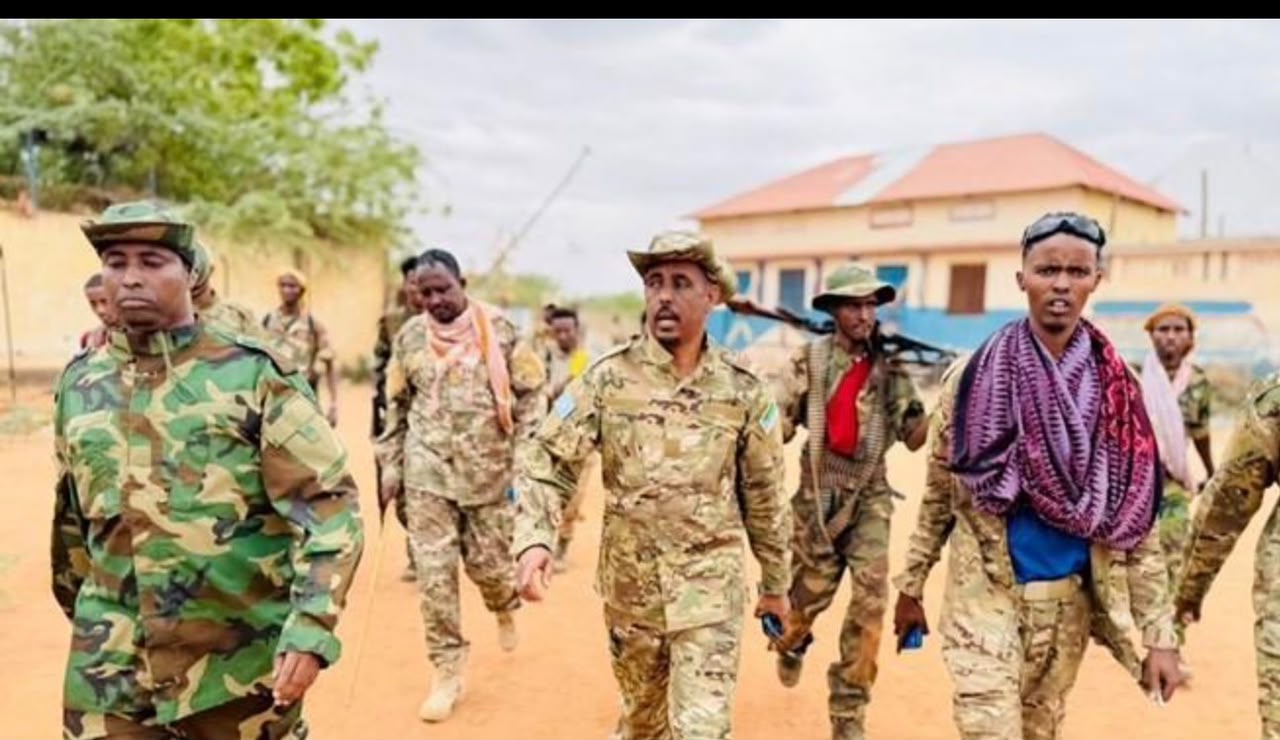
In the southern Gedo region, tensions between the federal government and Jubaland have centred on security appointments, military movements and control of key districts.
On 9 October, Jubaland announced that former federal security commander Abdirashid Janan had handed over forces under his command in Beled Hawo to the regional administration following negotiations.
The reported transfer came after accounts of federal troop movements towards Beled Hawo earlier in the week.
Officials appointed by Jubaland had expressed concern over forces reportedly moving from the districts of Doolow and Luuq. The allegations, however, had not been independently confirmed by the federal government.
Broader Implications for Federal Relations
The constitutional dispute and developments in Gedo underscore continuing disagreements over the relationship between Somalia’s federal institutions and regional administrations.
The outcome of the disputes could affect security coordination, political cooperation and efforts to establish a broadly accepted framework for power-sharing across the country.
Further developments will depend on negotiations between the federal government and regional leaders, as well as the handling of constitutional and security issues in the coming weeks.

