


Somalia is moving to revive its national currency after the Somali shilling was pushed to the margins of everyday commerce in Mogadishu, with traders in parts of the capital refusing to accept the country’s last widely circulating banknote.
The rejection, which began in April, affected major markets including Bakara, Hamarweyne and other areas. Traders cited the poor condition of the 1,000-shilling notes and the difficulty of passing them on, with many instead demanding US dollars or mobile-money payments.
The Banadir administration responded by ordering traders to accept the Somali shilling. A directive that wasn’t enforced.
Now, the government says it’s getting closer to a major currency reform.
The country has gone more than three decades without issuing new domestic banknotes. The Central Bank of Somalia is preparing to introduce a new shilling as part of efforts to restore confidence in the national currency and rebuild the country’s monetary system.
Parliament is reviewing amendments to the Central Bank Act that would provide the legal basis for a Currency Board Arrangement, while the Central Bank is preparing regulations covering foreign exchange and reserve management.
The planned currency reform is intended to replace the old and deteriorated notes that have remained in circulation since the collapse of the central government in 1991.
For decades, the US dollar has gradually taken over much of Somalia’s economy. It dominates many commercial transactions, savings and mobile-money payments, while the shilling has survived largely in small cash transactions.
The April rejection in Mogadishu showed just how far that shift has gone.
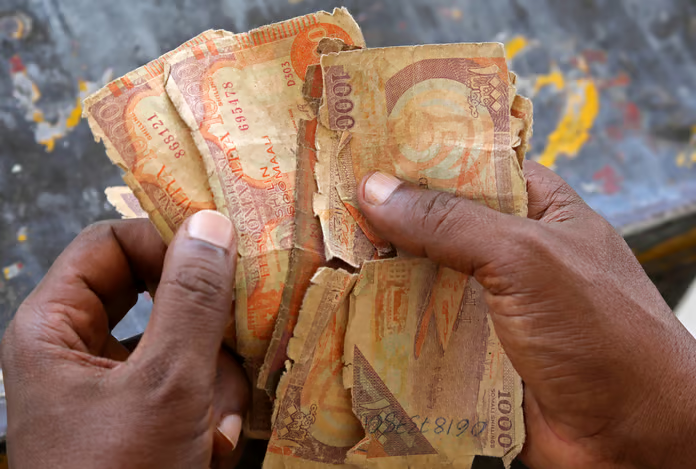
For ordinary Somalis, particularly those who depend on cash for small purchases, transport and daily expenses, the disappearance of the shilling has also created practical problems. Dollar-based pricing can make small transactions more expensive, while those without access to dollars or digital payments can be left with limited options.
But restoring the shilling will require more than printing new notes.
The government will have to rebuild public confidence, remove counterfeit and unusable notes from circulation, establish credible monetary institutions and convince businesses and the public that the new currency can retain its value.
The reform is also not expected to immediately end the use of the US dollar. Somalia’s monetary framework envisages continued coexistence between the shilling and the dollar as the country rebuilds its monetary system.
For a currency that has spent more than three decades losing ground in its own economy, the challenge is therefore not simply bringing the Somali shilling back.
It is convincing Somalis to use it again.

