


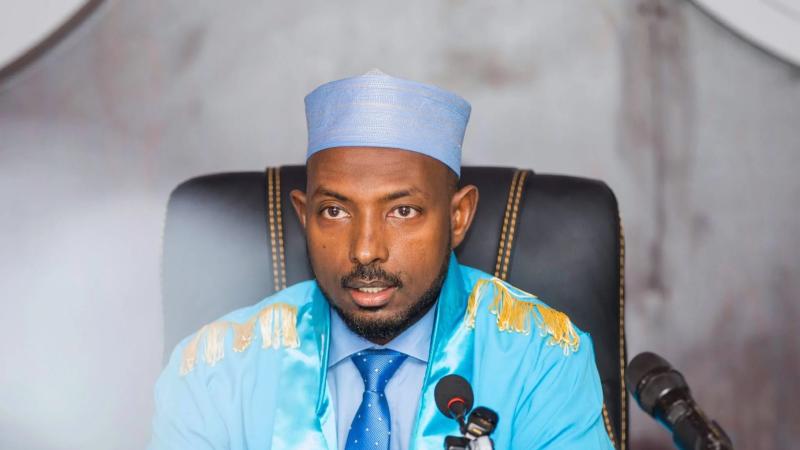
The Somali government has rejected criticism from United Nations human rights experts over the dismissal of Chief Justice Baashe Yusuf Ahmed, insisting that the decision was lawful and consistent with the country’s transition to a new constitutional order.
In a response issued by the Ministry of Justice, the government said Baashe’s removal on 4 November followed the transitional appointment process under which he was originally nominated. It argued that the procedure was necessary because the High Council of the Judiciary had not yet been fully established.
The government also questioned the timing of the UN experts’ statement, saying it was issued without first seeking clarification from Somali authorities. According to the ministry, Somalia’s mission in Geneva had attempted to arrange a meeting with the experts to discuss the matter.
The disagreement has also centred on Supreme Court pronouncements issued after Baashe’s removal, which challenged aspects of the constitutional amendments.
The government maintains that Baashe no longer held the position of Chief Justice when the rulings were issued and has therefore rejected them as lacking legal authority.
The Ministry of Justice also pointed to procedural objections raised by the Attorney General, including questions about the court’s jurisdiction, the claimant’s legal standing, the composition of the bench and the absence of a public hearing.
According to the government, these objections were legal in nature and did not amount to political interference. It further insists that the court pronouncements did not invalidate the 2026 Constitution.
The government’s response follows a call by UN human rights experts Margaret Satterthwaite and Ben Saul for Baashe’s reinstatement.
The experts also expressed concerns over the appointment of Ibrahim Idle Suleiman as his replacement and raised allegations of intimidation involving Supreme Court judges.
They reported that security protection had been withdrawn from seven judges and raised concerns about restrictions on their movement. The experts urged the Somali government to safeguard judicial independence and ensure that security forces do not interfere in judicial affairs.
In its response, the Ministry of Justice reaffirmed the government’s commitment to the rule of law and judicial independence.
The government said it intends to resolve the dispute through lawful institutional channels and expressed willingness to continue engaging with the UN experts.
The exchange highlights an ongoing disagreement over the legality of the Chief Justice’s dismissal, the authority of the Supreme Court and the independence of Somalia’s judiciary as the country transitions to a new constitutional order.

